The numbers are staggering. According to the U.S. Surgeon General’s 2021 Mental Health at Work Report, 76% of U.S. workers reported having at least one symptom of a mental health issue.
Even more concerning, 84% of respondents said their workplace conditions had contributed to at least one mental health challenge.
This means employees are struggling right now, and traditional approaches are no longer effective.
Fortunately, the right mental health games and activities for the workplace can turn your stressed-out employees into engaged, productive team members. Let’s explore how successful organizations are doing exactly that.
What are mental wellness activities for employees?
Mental wellness activities for employees are structured programs, games, and exercises designed to support your team’s psychological well-being in practical, everyday ways.
These activities cover an incredibly diverse range of approaches. They might include mindfulness sessions that help employees center themselves before stressful meetings, stress-relief games that provide quick mental breaks during busy days, peer support groups where teammates can share challenges in safe spaces, or creative workshops that give people outlets for expression and connection. When you plan your next team building day, you could be laying the groundwork for a healthier, happier workplace that people actually want to be part of.
Organizing these activities is a proactive way to support your employees’ mental health. Instead of waiting for burnout, anxiety, or depression to reach crisis levels, you’re building protective habits and creating a culture where mental wellness is normal, expected, and actively celebrated. Your employees learn coping skills and develop resilience before they desperately need them.
Why mental health at work matters?
The business case for workplace mental health support is clear, and the numbers keep getting more compelling each year. 95% of companies that measure ROI see positive returns from their wellness programs, according to recent research. Meanwhile, SFM reports an average ROI of 6:1 for workplace wellness initiatives, making mental health support one of the smartest investments you can make.
Aside from monetary gains, employee mental wellness programs offer several other benefits for you and your employees.
Benefits for employees
- Regular mental health exercises help employees recognize stress signals early and manage daily pressures more effectively.
- Activities that promote healthy boundaries and self-care practices lead to better integration of work and personal life.
- Employees who feel mentally supported report higher satisfaction across all aspects of their work experience.
- Group mental health awareness activities for workplace build trust and genuine connection among colleagues.
- Mental wellness training helps employees develop emotional regulation skills and coping strategies that serve them throughout their careers.
Benefits for employers
- According to Talkspace research, companies that support their employees mentally see significant jumps in productivity (as high as 36%).
- Mentally healthy employees are significantly more likely to stay with supportive employers.
- Mental health activities for employees reduce mental and physical health-related sick days because stress and mental health directly impact immune function and overall physical wellness.
- Organizations known for genuine mental health support become magnets for top talent.
- Teams with strong mental wellness programs demonstrate higher levels of creativity and collaborative problem-solving.
65+ mental health awareness activities for the workplace
Here are 68 mental health activities for workplace, organized into categories that address different aspects of workplace wellness. Each activity includes budget considerations and recommendations for which teams will benefit most.
Brain-boosting activities
These activities sharpen cognitive function while providing stress relief and mental stimulation that energizes your teams.
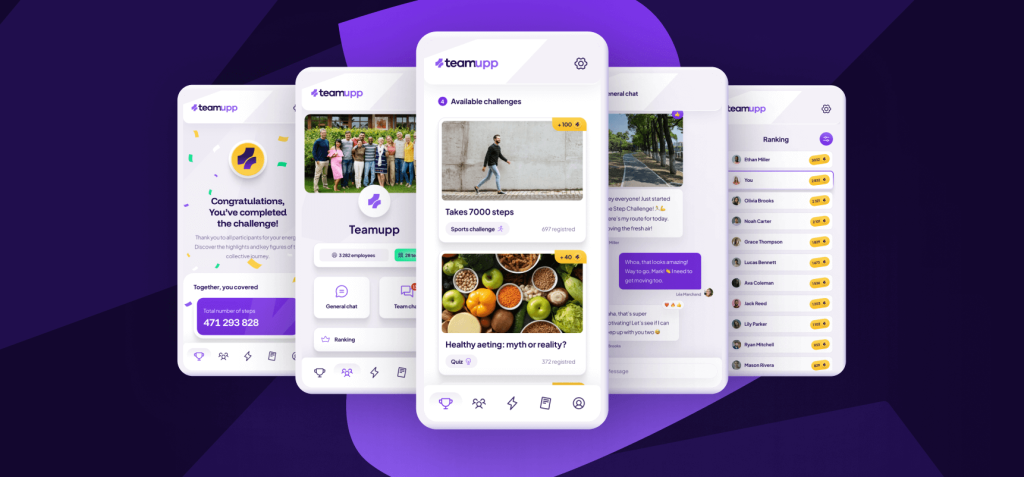
1. Mental health challenge with Teamupp
Use the Teamupp app to launch wellness games and activities that track employee participation across multiple mental health initiatives. Create monthly challenges focusing on different aspects of wellbeing. You can also measure engagement and celebrate team achievements via the app.
- Price range: *
- Difficulty: *
Best for: All team sizes looking for structured, measurable wellness engagement with long-term sustainability
2. Logic puzzle tournaments
Organize weekly puzzle competitions using Sudoku, crosswords, or brain teasers to boost cognitive function. Set up leaderboards and small prizes to maintain engagement. These tournaments work exceptionally well as corporate event ideas that combine fun with mental stimulation during lunch breaks or team meetings.
- Price range: *
- Difficulty: *
- Best for: Teams who enjoy intellectual challenges, detail-oriented workers, and groups needing structured quiet activities
3. Creative problem-solving workshops
Design interactive sessions where teams tackle real workplace challenges using creative thinking techniques. Introduce brainstorming methods, lateral thinking exercises, and collaborative problem-solving frameworks.
- Price range: **
- Difficulty: **
- Best for: Creative teams, departments facing complex challenges, and organizations looking to boost innovation
4. Mindful focus breaks
Implement short, structured meditation sessions throughout the workday to help employees reset their attention and manage stress. Schedule these breaks during high-stress periods to maximize their impact on team productivity.
- Price range: *
- Difficulty: *
- Best for: High-stress environments, remote teams needing structure, and employees struggling with attention or overwhelm
5. Memory enhancement games
Introduce memory-building exercises like name games, sequence recall challenges, and information retention activities. These games improve cognitive function and also build team connections through shared learning experiences.
- Price range: *
- Difficulty: **
- Best for: Older employees, teams working with complex information, and anyone looking to build cognitive resilience
6. Strategic thinking workshops
Facilitate sessions focused on long-term planning, risk assessment, and decision-making frameworks. This can help your teams feel more confident handling complex challenges while reducing anxiety about decision-making processes.
- Price range: **
- Difficulty: ***
- Best for: Leadership teams, employees in decision-making roles, and teams facing complex strategic challenges
Artistic expression and creativity
Here are some creative activities that provide emotional outlets while reducing stress in the workplace.
7. Art therapy workshops
Bring in professional art therapists to guide employees through creative expression sessions. Use painting, drawing, or sculpting to help teams process emotions and reduce stress.
- Price range: ***
- Difficulty: **
- Best for: Teams dealing with high stress, communication challenges, or significant workplace changes
8. Adult coloring sessions
Set up regular coloring stations with quality materials. Create quiet spaces where employees can color during breaks or lunch hours. This simple activity provides immediate stress relief and works as an accessible entry point for employees new to mindfulness practices.
- Price range: *
- Difficulty: *
- Best for: Everyone, especially employees who need quick stress relief and prefer hands-on activities
9. Expressive storytelling circles
Organize sessions where employees share personal or professional stories. Use prompts related to overcoming challenges or celebrating achievements. This can build empathy and strengthen team connections through vulnerable, authentic sharing.
- Price range: *
- Difficulty: **
- Best for: Teams working on trust-building, communication improvement, and psychological safety
10. Journaling workshops
Organize training for journaling techniques that help employees process emotions, track mood patterns, and identify stress triggers. Provide guided prompts and teach different journaling styles, like gratitude journals or stream-of-consciousness writing, that employees can continue independently.
- Price range: *
- Difficulty: *
- Best for: Individuals struggling with stress management, self-reflection, or processing workplace changes
11. Creative role-play exercises
Design scenarios where employees practice difficult conversations, customer interactions, or conflict resolution through role-playing. Make these exercises engaging by adding creative elements like character development or storytelling components that reduce anxiety while building practical skills.
- Price range: *
- Difficulty: **
- Best for: Customer service teams, employees working on communication skills, and departments dealing with conflict
12. Digital art creation
Provide access to digital art software for creative expression during breaks. You can also create virtual art galleries where employees can share their creations.
- Price range: ***
- Difficulty: ***
Best for: Tech-savvy teams, creative departments, and employees interested in developing new skills

Technology wellness and balance
These activities help employees develop healthier relationships with digital tools and reduce technology-related stress.
13. Screen-free lunch challenges
Encourage employees to eat lunch away from computers, phones, and screens. Create inviting break areas and organize group activities that naturally discourage people from using their devices during this period.
- Price range: *
- Difficulty: *
- Best for: All employees, especially those in screen-heavy jobs and remote workers struggling with boundaries
14. Digital meditation breaks
Use meditation apps or online guided sessions specifically designed for workplace stress relief. Schedule these breaks during traditionally busy periods to help employees reset. Choose apps that work well on various devices and provide options for different experience levels and time constraints.
- Price range: **
- Difficulty: *
- Best for: High-stress teams, remote workers, and employees reporting digital overwhelm
15. Technology boundaries training
Teach practical strategies for managing email, notifications, and after-hours communication. Help employees set healthy boundaries around technology use and create clear guidelines for emergency versus non-urgent communications. This training reduces anxiety and improves work-life integration.
- Price range: **
- Difficulty: **
- Best for: Always-on teams, remote workers, and employees struggling with work-life boundaries
16. Analog hobby clubs
Start clubs focused on non-digital activities like reading, knitting, gardening, or board games. These clubs provide natural opportunities for employees to connect without screens while developing new skills and interests that enhance their overall well-being and job satisfaction.
- Price range: *
- Difficulty: *
- Best for: Teams looking to build connections outside of work tasks and employees seeking creative outlets
Learning and awareness building
These activities create learning opportunities to reduce mental health stigma and increase emotional intelligence throughout your organization.
17. Mental health first aid training
Provide certified mental health first aid training that teaches employees to recognize signs of mental health challenges and provide appropriate initial support. This training is essential for building a supportive workplace culture and ensuring employees feel comfortable seeking help when needed.
- Price range: ***
- Difficulty: ***
- Best for: Managers, team leaders, and employees who naturally serve as informal support people
18. Stress management workshops
Offer comprehensive workshops covering stress identification, coping strategies, and resilience building. Include practical techniques employees can use immediately, like breathing exercises, time management strategies, and cognitive reframing techniques. These workshops form the foundation of effective mental health awareness ideas for workplace programs.
- Price range: **
- Difficulty: **
- Best for: All employees, especially those in high-pressure roles or facing workplace transitions
19. Wellness speaker series
Invite mental health professionals, wellness experts, and motivational speakers to address topics relevant to workplace wellbeing. These presentations can also be a part of your mental health awareness month ideas, or as regular monthly events. Choose speakers who can provide actionable advice that employees can implement immediately.
- Price range: **
- Difficulty: *
- Best for: Large groups, companies with strong learning cultures, and organizations introducing wellness initiatives
20. Mental health resource fairs
Organize events where employees can learn about available mental health resources, meet representatives from employee assistance programs, and access wellness information.
- Price range: **
- Difficulty: **
- Best for: Organizations introducing new mental health benefits and companies wanting to increase awareness of existing resources
21. Peer support training
Train employees to provide emotional support to colleagues through active listening, empathy, and appropriate referral techniques. This training creates a network of informal support throughout your organization and reduces the stigma around discussing mental health challenges at work.
- Price range: **
- Difficulty: **
- Best for: Close-knit teams, smaller organizations, and workplaces with strong collaborative cultures
22. Mental health myth-busting sessions
Address common misconceptions about mental health through educational sessions that provide accurate information and reduce stigma. Use interactive formats like Q&A sessions, myth-versus-fact games, or panel discussions featuring employees who are comfortable sharing their mental health experiences.
- Price range: *
- Difficulty: **
- Best for: Teams with limited mental health awareness and organizations working to change workplace culture

Emotional intelligence and self-awareness
These activities build emotional skills and self-understanding while fostering empathy.
23. Gratitude treasure hunts
Create interactive activities where employees search for positive aspects of their workplace, colleagues, or job responsibilities. Design clues that encourage employees to notice and appreciate elements they might normally overlook. These hunts work well as World Kindness Day activities at work or team building events.
- Price range: *
- Difficulty: *
- Best for: Teams needing morale boosts, organizations working on culture change, and groups that enjoy interactive activities
24. Daily mood tracking
Implement simple mood check-in systems where employees can privately log their emotional state and energy levels. Use this data to identify patterns and adjust workloads or provide additional support when needed. Ensure privacy and emphasize that participation is voluntary.
- Price range: *
- Difficulty: *
- Best for: Managers wanting to gauge team wellness, remote teams needing connection, and individuals working on emotional awareness
25. Emotional check-in circles
Start meetings with brief emotional check-ins where team members share how they’re feeling and what support they need. Keep these check-ins voluntary and time-limited. This practice builds emotional awareness and helps teams support each other more effectively.
- Price range: *
- Difficulty: *
- Best for: Small teams, departments with regular meetings, and groups working on psychological safety
26. Active listening workshops
Teach practical listening skills through interactive exercises and role-playing scenarios. Focus on techniques like reflecting, summarizing, and asking clarifying questions. These workshops improve workplace relationships while reducing misunderstandings that contribute to workplace stress and conflict.
- Price range: **
- Difficulty: **
- Best for: Customer-facing teams, collaborative departments, and organizations working on communication improvement
27. Positive affirmation campaigns
Create systems for sharing encouraging messages, celebrating achievements, and highlighting positive contributions. Use bulletin boards, email campaigns, or digital platforms to ensure positive messages reach all team members regularly. This activity naturally fits into mental health awareness activities for employees programs.
- Price range: *
- Difficulty: *
- Best for: All employees, especially during challenging periods, organizational changes, or low morale situations
28. Emotion regulation training
Provide training on identifying emotional triggers, managing intense emotions, and responding rather than reacting to challenging situations. Include practical techniques like cognitive reframing, mindfulness, and stress reduction strategies that employees can use in real workplace situations.
- Price range: **
- Difficulty: ***
- Best for: High-stress teams, conflict-prone environments, and employees in emotionally demanding roles
29. Emotional intelligence assessments
Use validated assessment tools to help employees understand their emotional strengths and development areas. Follow assessments with personalized development plans and coaching resources.
- Price range: **
- Difficulty: **
- Best for: Leadership development programs, self-aware teams, and individuals interested in personal growth
30. Empathy-building exercises
Design activities that help employees understand different perspectives and experiences. Use role-playing, perspective-taking exercises, and structured discussions about diversity and inclusion. These exercises build stronger team relationships while reducing workplace conflicts and misunderstandings.
- Price range: *
- Difficulty: **
- Best for: Diverse teams, customer service departments, and organizations working on inclusion and understanding

Mindfulness and stress relief
Here are activities that promote calm, present-moment awareness, and immediate stress relief that employees can use throughout their workday.
31. Guided meditation sessions
Offer regular meditation sessions led by qualified instructors or using high-quality apps. Start with short sessions and gradually increase duration as employees become more comfortable. Provide quiet spaces and encourage participation without making attendance mandatory.
- Price range: **
- Difficulty: *
- Best for: All employees, especially beginners to mindfulness, and teams dealing with high stress
32. Breathing exercises
Teach simple breathing exercises like box breathing, 4-7-8 breathing, or diaphragmatic breathing that employees can use anywhere. Practice these techniques regularly and encourage employees to use them before stressful meetings, presentations, or challenging conversations.
- Price range: *
- Difficulty: *
- Best for: High-pressure environments, public speaking situations, and employees dealing with anxiety
33. Progressive muscle relaxation
Guide employees through muscle relaxation exercises that help release physical tension. These sessions can be done at desks or in dedicated relaxation spaces. Provide audio recordings so employees can practice independently during breaks or after work.
- Price range: *
- Difficulty: *
- Best for: Teams with physical tension, stress-related muscle pain, and employees who prefer body-based stress relief
34. Mindful walking groups
Organize walking groups that practice mindfulness while moving. Focus on awareness of surroundings, breathing, and body sensations during walks. This activity combines physical activity with mindfulness practice, making it appealing to employees who find traditional meditation challenging.
- Price range: *
- Difficulty: *
- Best for: Office workers needing movement, outdoor enthusiasts, and employees who struggle with sitting meditation
35. Quiet reflection spaces
Designate and maintain spaces specifically for quiet reflection, meditation, or prayer. Ensure these spaces accommodate different cultural and spiritual practices. Include comfortable seating, soft lighting, and policies that maintain the peaceful atmosphere throughout the day.
- Price range: **
- Difficulty: **
- Best for: Diverse teams with varying spiritual and cultural needs, introverted employees, and anyone needing private space for mental health
36. Nature sound environments
Install sound systems that play calming nature sounds like ocean waves, rainfall, or forest sounds. Use these sounds to mask distracting office noise and create more peaceful work environments. Allow employees to control volume levels and choose from different soundscapes.
- Price range: *
- Difficulty: *
- Best for: Open offices, high-noise environments, and employees who find nature sounds calming
Are you interested in contributing to employees’ daily wellbeing

Physical wellness for mental health
These are mind-body activities that recognize the connection between physical movement and mental well-being.
37. Workplace yoga classes
Offer regular yoga classes adapted for workplace settings, including chair yoga and short desk-friendly sequences. Focus on poses that counteract common workplace physical problems like back pain, neck tension, and poor posture while providing mental relaxation benefits.
- Price range: **
- Difficulty: **
- Best for: Sedentary workers, teams with physical tension, and employees interested in mind-body approaches to stress relief
38. Desk stretching routines
Teach simple stretching routines that can be done at workstations to relieve muscle tension and improve circulation. Create visual guides and schedule regular stretching breaks throughout the day. These routines help prevent physical discomfort that contributes to mental stress.
- Price range: *
- Difficulty: *
- Best for: Office workers, remote employees, and anyone spending long hours at desks
39. Walking meeting initiatives
Encourage meetings that can be conducted while walking, either indoors or outdoors. This approach increases creativity, reduces formality, and provides physical activity during the workday. Establish guidelines for when walking meetings are appropriate and safe.
- Price range: *
- Difficulty: *
- Best for: Small groups, creative brainstorming sessions, and one-on-one meetings
40. Healthy snack programs
Provide nutritious snack options that support stable energy levels and mood regulation. Include fruits, nuts, yogurt, and other foods that provide sustained energy without sugar crashes. Use this program as part of your Earth Day ideas for work by emphasizing sustainable, locally-sourced options.
- Price range: **
- Difficulty: *
- Best for: All employees, especially those with limited access to healthy food options during work hours
41. Fitness challenge integration
Create team-based fitness challenges that focus on the mental health benefits of physical activity rather than just fitness goals. Track mood improvements alongside physical achievements and celebrate both individual and team progress in maintaining active lifestyles.
- Price range: *
- Difficulty: *
- Best for: Competitive teams, health-conscious employees, and organizations wanting to emphasize the mood benefits of movement
42. Ergonomic wellness checks
Provide assessments of workstation setups to prevent physical problems that contribute to stress and discomfort. Include adjustable equipment, proper lighting, and workspace organization strategies.
- Price range: **
- Difficulty: **
- Best for: Employees with desk jobs, anyone experiencing physical discomfort, and organizations committed to comprehensive employee wellness
Reflection and appreciation practices
These activities foster gratitude, positive thinking patterns, and meaningful self-reflection.
43. Gratitude journals
Provide journals and guide employees in developing regular gratitude practices. Encourage sharing positive insights during team meetings to multiply the benefits of individual gratitude practice.
- Price range: *
- Difficulty: *
- Best for: Individuals and teams working on positive mindset development, anyone struggling with job satisfaction
44. Achievement celebration rituals
Create regular opportunities to acknowledge and celebrate both individual and team accomplishments. Include small wins alongside major milestones and ensure all team members receive recognition for their contributions.
- Price range: *
- Difficulty: *
- Best for: All teams, especially those with long project cycles or work that doesn’t provide natural recognition opportunities
45. Inspirational message sharing
Implement systems for sharing motivational quotes, success stories, and encouraging messages throughout the workplace. Rotate responsibility for sharing messages among team members to ensure diverse perspectives and maintain fresh content that resonates with different employees.
- Price range: *
- Difficulty: *
- Best for: Teams needing motivation, positive reinforcement during challenging periods, and organizations working on culture change
46. Reflection workshops
Facilitate structured reflection sessions where employees can process experiences, identify lessons learned, and set intentions for future growth. Use questions and small group discussions to help employees gain insights and perspective on their work experiences.
- Price range: **
- Difficulty: **
- Best for: Teams going through transitions, end-of-project reviews, and employees interested in professional development
47. Meaningful conversation prompts
Provide conversation starters to help employees connect on deeper levels. Include questions about values, motivations, and experiences that help team members understand each other better while maintaining appropriate professional boundaries.
- Price range: *
- Difficulty: *
- Best for: Teams working on relationship building, trust development, and psychological safety
48. Values clarification exercises
Guide employees through exercises that help them identify and articulate their core values and how these align with their work. Use this understanding to improve job satisfaction and help employees find meaning in their daily responsibilities and career development.
- Price range: **
- Difficulty: **
- Best for: Teams dealing with purpose and motivation challenges, employees considering career changes

Personal wellness habits
Here are activities that help employees develop sustainable self-care routines and personal wellness practices for long-term mental health.
49. Self-care planning workshops
Help employees create personalized self-care plans that fit their schedules, preferences, and needs. Include strategies for both daily maintenance and crisis management. Provide ongoing support and check-ins to help employees maintain their self-care commitments.
- Price range: **
- Difficulty: **
- Best for: Individuals struggling with work-life balance, employees feeling overwhelmed, and anyone looking to develop better personal wellness habits
50. Mindful eating sessions
Teach mindful eating techniques that help employees develop healthier relationships with food and use meals as opportunities for stress relief and mindfulness practice. Focus on awareness, appreciation, and the connection between nutrition and mental well-being.
- Price range: *
- Difficulty: *
- Best for: Teams with poor eating habits, meal-related stress, or anyone interested in mindfulness practices
51. Sleep hygiene education
Provide education about sleep’s impact on mental health and teach practical strategies for improving sleep quality. Include information about sleep schedules, bedroom environment, and bedtime routines that support better rest and daytime mental well-being.
- Price range: *
- Difficulty: *
- Best for: Employees showing signs of fatigue, anyone with sleep-related issues, and shift workers
52. Boundary-setting training
Teach practical skills for setting and maintaining healthy boundaries around work responsibilities, availability, and personal time. Help employees develop strategies for communicating boundaries professionally while protecting their mental health and personal relationships.
- Price range: *
- Difficulty: **
- Best for: Always-on teams, remote workers, and employees struggling with work-life boundaries
Relationship building and team connection
Here are activities that strengthen workplace relationships, reduce isolation, and create supportive
communities.
53. Emotional storytelling games
Design interactive games where employees share experiences and emotions through structured storytelling activities. Use prompts that encourage vulnerability while maintaining appropriate professional boundaries.
- Price range: *
- Difficulty: **
- Best for: Teams building trust, psychological safety, and deeper workplace relationships
54. Kindness exchange programs
Create systems where employees can perform and acknowledge acts of kindness for colleagues. Include both formal recognition programs and informal kindness initiatives that encourage positive interactions and mutual support throughout the workplace.
- Price range: *
- Difficulty: *
- Best for: All teams, especially those working to improve culture, morale, or interpersonal relationships
55. Peer mentorship programs
Establish mentorship relationships that focus on professional growth and emotional support. Train mentors in active listening and supportive communication to ensure successful mentoring relationships that benefit both parties.
- Price range: *
- Difficulty: **
- Best for: Organizations with diverse experience levels, employees new to the company, and anyone seeking professional development
56. Team wellness challenges
Design challenges that teams can complete together, focusing on mental health activities. Include activities like group meditation streaks, gratitude sharing, or stress-management practice challenges that bring teams together around wellness goals.
- Price range: *
- Difficulty: *
- Best for: Competitive teams, departments wanting shared objectives, and groups that work well collaboratively
57. Support group facilitation
Train employees to facilitate support groups around common workplace challenges, life transitions, or stress management. Ensure proper training and resources while maintaining confidentiality and professional boundaries.
- Price range: *
- Difficulty: ***
- Best for: Teams with common stressors, life situations, or challenges that benefit from peer support
58. Community service projects
Organize volunteer opportunities that bring teams together while contributing to causes employees care about. Choose projects that align with company values and provide meaningful ways for employees to connect with their community outside of work tasks.
- Price range: *
- Difficulty: **
- Best for: Teams seeking meaning, external impact, and stronger interpersonal connections

Stress management resources
Here are practical tools and techniques for handling workplace pressure, reducing anxiety, and building resilience in challenging situations.
59. Stress ball stations
Place stress balls and fidget tools in common areas and meeting rooms where employees can access them during stressful moments.
- Price range: *
- Difficulty: *
- Best for: High-pressure environments, employees with anxiety, and anyone who benefits from tactile stress relief
60. Quick decompression techniques
Teach techniques that can be used quickly between meetings or during brief breaks to reset stress levels. Include breathing exercises, progressive muscle relaxation, and mindfulness techniques that can be completed in under five minutes anywhere in the workplace.
- Price range: *
- Difficulty: *
- Best for: Busy professionals with packed schedules, employees in fast-paced environments, and anyone needing immediate stress relief
61. Pressure point massage training
Teach self-massage techniques targeting pressure points that relieve tension and stress. Include hand, neck, and shoulder techniques that can be performed at workstations without special equipment.
- Price range: *
- Difficulty: *
- Best for: Employees with physical manifestations of stress, desk workers with tension, and anyone interested in body-based stress relief
62. Calming music playlists
Create and maintain playlists of calming music that employees can access during stressful periods. Include variety in genres and styles; just make sure they promote relaxation and concentration. Allow employee input and requests for playlist content.
- Price range: *
- Difficulty: *
- Best for: Open offices, shared workspaces, and employees who respond well to auditory stress management.
Work-life integration support
These activities help employees balance personal and professional demands while maintaining mental wellness and job satisfaction.
63. Flexible scheduling options
Implement scheduling flexibility that accommodates employees’ mental health needs and personal responsibilities. Include options like flexible start times, compressed work weeks, or mental health appointments during work hours.
- Price range: *
- Difficulty: **
- Best for: Parents, caregivers, employees with mental health treatment schedules, and anyone with variable energy patterns
64. Mental health days policy
Establish clear policies that allow employees to take time off specifically for mental health needs without stigma or excessive documentation requirements. Communicate these policies clearly and train managers to support employees who need mental health accommodations.
- Price range: *
- Difficulty: **
- Best for: All employees, especially those in high-stress roles, anyone managing mental health conditions, and organizations committed to destigmatizing mental health
65. Remote work mental health support
Provide resources and support for remote workers’ unique mental health challenges, including isolation, boundary-setting, and home office ergonomics.
- Price range: *
- Difficulty: **
- Best for: Distributed teams, remote workers, and hybrid employees managing multiple work environments
Environmental wellness enhancements
Physical changes to the workplace can naturally support mental wellness and create more positive, calming environments.
66. Biophilic design elements
Introduce plants and natural elements throughout the workspace to improve air quality and create calming environments. Choose low-maintenance plants and provide care instructions.
- Price range: *
- Difficulty: **
- Best for: All employees, especially those in windowless environments, sterile offices, and urban locations with limited nature access
67. Wellness resource centers
Create dedicated spaces with mental health resources, self-help materials, and wellness tools that employees can access privately.
- Price range: *
- Difficulty: **
- Best for: Larger organizations with available space, employees who prefer self-directed learning, and workplaces building comprehensive wellness cultures
68. Feedback and suggestion systems
Implement systems for employees to provide feedback about mental health programs and suggest new activities or improvements. Ensure anonymity options and respond to feedback with concrete actions.
- Price range: *
- Difficulty: *
- Best for: Organizations wanting to improve based on employee input, companies launching new wellness initiatives, and workplaces committed to continuous improvement

How to measure the impact of your mental health program
Creating comprehensive mental health ideas for work is just the beginning of building a truly supportive organization. To ensure your program delivers genuine value and continues improving over time, you need to track results and make data-driven adjustments based on what you learn.
- Track participation rates and engagement patterns: Which activities generate the most consistent engagement over time? An activity that maintains 70% attendance over six months is more valuable than one that starts with 100% participation but drops to 20% after a few weeks.
- Employee satisfaction and sentiment surveys: Ask specific, actionable questions about your employees’ satisfaction levels with your programs. Include questions about psychological safety, stress levels, and whether employees would recommend your workplace to others specifically because of mental health support.
- Absenteeism and leave patterns: Monitor trends in sick days, mental health leave, and overall time off patterns. Effective mental health programs often see temporary increases in mental health-related absences as employees feel safer accessing support, followed by decreases as overall well-being improves.
- Retention and recruitment data: Monitor whether mental health benefits help you keep valuable employees and attract quality candidates. During exit interviews, ask whether leaving employees felt supported in their mental health needs.
- Manager feedback and observations: Train supervisors to recognize signs of improved productivity, stress management, and overall wellness without violating privacy boundaries. Managers often notice changes in team collaboration, communication, and morale before formal metrics capture them.
Ultimately, the most successful mental health exercises for work are those that integrate naturally into your workplace culture. They provide genuine support that employees will value and use regularly.
Are you interested in contributing to employees’ daily wellbeing