Does your office feel like it’s stuck in a productivity rut?
Maybe your teams seem tired by 3 p.m., or you’ve noticed more sick days lately. The solution might be simpler than you think. A wellness fair could be exactly what your workplace needs to boost energy and show your employees that you truly care about their well-being.
Corporate wellness has become essential for keeping your best people happy and productive. A well-planned wellness fair brings health resources directly to your employees, making it easy for them to take small steps toward better habits without leaving the office.
What is a wellness fair?
A wellness fair is an event where you bring health and wellbeing resources directly to your workplace. Unlike regular health screenings that focus mainly on medical checkups, wellness fairs take a broader approach. They might include fitness demonstrations, nutrition education, stress management workshops, mental health resources, and fun activities that get people moving and laughing together.
These events typically last anywhere from a few hours to a full day. You can set up different stations around your office, bring in outside experts, or even create interactive challenges that your employees can participate in throughout the day.
Why organize a wellness fair at work?
Wellness fairs create real, lasting changes for both your company and your teams.
Benefits for the company
1. Improved ROI through better health outcomes
Mental Health America reports that office wellness programs can return $4 for every dollar spent. When your employees are healthier, they’re more productive, take fewer sick days, and need less medical care.
2. Stronger employer branding
Today’s workers want to join companies that care about their well-being. A wellness fair shows potential hires that you invest in your people’s health and happiness. This helps you attract top talent and stand out from competitors who only offer basic benefits.
3. Better employee retention
People stay longer at companies where they feel valued and supported. When you organize events that focus on your teams’ wellbeing, you’re sending a clear message that they matter beyond just their work output.
4. Enhanced workplace culture
Wellness fairs break down barriers between departments and get people talking to each other. This creates stronger relationships and better collaboration throughout your organization.
Benefits for employees
1. Mental health support
Work stress affects everyone differently, but wellness fairs provide tools and resources that help your employees manage pressure more effectively. They learn coping strategies, discover relaxation techniques, and realize they’re not alone in facing workplace challenges.
2. Stronger team connections
These events give your employees chances to interact with colleagues they might not normally talk to. They might discover shared interests, form new friendships, or simply have fun conversations that make work more enjoyable.
3. Increased wellbeing awareness
Many people know they should eat better or exercise more, but they don’t know where to start. Wellness fairs provide practical information and simple steps that anyone can implement, regardless of their current fitness level or health knowledge.
4. More energy at work
When your employees learn new habits and feel more supported, their energy levels naturally improve. This means better focus during meetings, more creative problem-solving, and less of that afternoon slump that affects so many offices.

4 Proven themes to inspire your next wellness fair
Choosing the right theme helps focus your wellness fair and makes it easier for your employees to understand what to expect. Here are some examples of engaging and inclusive wellness fair themes that work well for different types of workplaces:
- 1. Mind & body reset: You might include meditation sessions, chair massages, healthy cooking demonstrations, and stress management workshops all in one event.
- 2. Healthy habits week: This theme works if you want to focus on building small, sustainable changes that your employees can maintain long after the fair ends.
- 3. Energy boost central: This can target that common workplace problem of afternoon fatigue by teaching nutrition education, sleep hygiene workshops, and activities that help your teams maintain steady energy throughout their workday.
- 4. Wellness around the world: This can celebrate different cultural approaches to health and wellbeing.
10+ Wellness fair ideas that actually work
Not every wellness fair needs to cost a fortune or require months of planning. The best health fair ideas for employees are often the simplest ones that your employees can use in their daily lives.
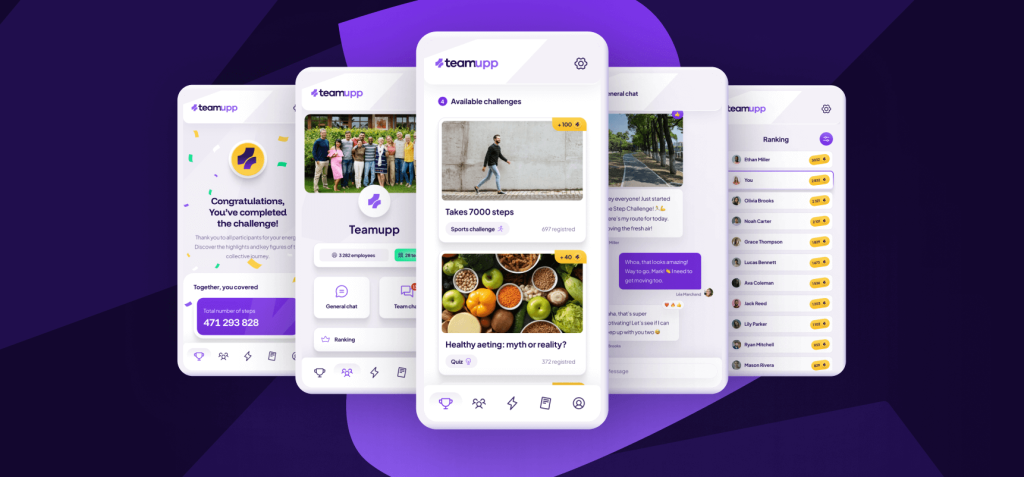
1. Run a wellness challenge
Most wellness fairs end when the day is over, but this approach keeps the momentum going for weeks or months afterward.
During your fair, kick off a digital wellness challenge that includes step challenges, wellness trivia, photo and video contests, etc. Your teams earn points for healthy choices and can see how they’re doing compared to their colleagues.
- Easy to set up and use across remote, hybrid, and in-office teams
- Offers a variety of wellness challenges: steps, quizzes, photo and video contests
- Built-in point system and leaderboards for friendly competition
- Tracks participation and engagement in real time
Cost: $0.5 to $8 per employee per month
2. On-site seated massage and relaxation booths
Everyone loves a good massage, and these stations always draw crowds at wellness fairs.
Bring in licensed massage therapists to offer 10 to 15-minute chair massages. Create quiet relaxation areas with comfortable seating, calming music, and maybe some aromatherapy.
Cost: $75 to $150 per therapist for a few hours
3. Mini fitness classes
Get your teams moving with short, energizing movement sessions that work perfectly for office environments and different fitness levels. This could be any form of activity, from yoga sessions and stretching to desk exercises and dance. Schedule multiple sessions throughout the day so more people can participate.
Cost: $100to $300 per instructor, depending on location and experience
4. Smoothie and healthy snack station
Food always brings people together, and healthy options show your employees that nutritious choices can still taste great. The stations can have fresh fruit smoothies, veggie-based snacks, nuts, yogurt parfaits, or locally sourced healthy treats. Include information about the nutritional benefits of different ingredients.
Cost: $5 to $12 per person, depending on menu choices
5. Mental health resource fair
Create a supportive environment where your employees can access mental health information without stigma. This can include local counseling services, stress management techniques, and mental health apps.
Cost: Often free through existing benefits partnerships
6. Health screenings and biometric testing
Basic health checks can catch potential problems early. Organize blood pressure checks, cholesterol testing, BMI measurements, vision screenings, or flu shots. Partner with local healthcare providers or use your company’s health insurance benefits.
Cost: $20 to $50 per person, sometimes covered by insurance
7. Financial wellness workshop
Money stress affects job performance, so addressing financial concerns benefits everyone. Organize a workshop to teach budgeting basics, retirement planning, debt management, emergency savings, or investment fundamentals. Keep sessions practical and action-oriented.
Cost: $200 to $800 for a professional presenter

8. Ergonomics and workplace safety station
Help your teams prevent common workplace injuries and feel more comfortable during their workday. The services can include desk setup evaluations, proper lifting technique demonstrations, computer posture assessments, and more.
Cost: $100 to $400 for an ergonomics specialist
9. Sleep and energy workshop
Poor sleep affects everything from decision-making to immune function, making this topic relevant for every employee. Organize lessons on sleep hygiene tips, how to manage shift work, dealing with stress-related sleep problems, and creating better bedtime routines.
Cost: $150 to $500 for a sleep specialist or wellness coach
10. Meditation and mindfulness sessions
Even people who think they “can’t meditate” often discover they enjoy these sessions when they’re introduced properly. Organize guided 15 to 20-minute sessions throughout the day for employees to learn different techniques like breathing exercises or body scans.
Cost: $75 to $200 per instructor
11. Nutrition education and meal planning
Help your teams make better food choices without overwhelming them with complicated diet rules. They can learn how to read nutrition labels, prepare meals, stay hydrated, and manage energy levels through food choices.
Cost: $200 to $600 for a registered dietitian
12. First aid and CPR training
This can teach your employees practical skills that they can use both at work and in their personal lives. The training should include basic first aid, CPR certification, AED training, or workplace safety procedures.
Cost: $25 to $75 per person for certification courses
How to plan a successful wellness fair?
You can plan a successful workplace wellness program if you break it down into manageable steps and focus on what matters most to your employees.
1. Start with team coordination
Create a planning committee with representatives from different departments. This ensures your fair appeals to various groups within your company and helps with communication throughout the planning process.
2. Communicate early and often
Announce your wellness fair at least 4 to 6 weeks in advance. Use different communication channels like email, team meetings, and workplace messaging apps to make sure everyone knows what to expect.
3. Plan for feedback
Set up simple ways to collect feedback during and after your fair. This information helps you improve future events and shows employees that their opinions matter.
4. Consider logistics
Think about traffic flow, parking, accessibility, and timing. Schedule your fair when most employees can participate, and make sure your space can handle the expected crowds.
5. Prepare materials in advance
Create information packets, name tags, maps of station locations, and any other materials participants might need. Having everything ready reduces stress on the day of your event.

What budget for a wellness fair?
Wellness fair costs vary widely depending on what you choose to include, but you can create meaningful events at almost any budget level.
- Many valuable wellness fair activities cost nothing but your time. These include educational presentations from local health departments, information sharing about existing employee benefits, peer-led wellness workshops, or simple challenges that encourage healthy behaviors.
- There are low-cost options as well, ranging from $500 to $2,000. This cost typically covers snacks, educational materials, simple screenings through healthcare partners, and one or two professional presenters. You can also tap into internal resources by having employees with relevant expertise lead sessions.
- For companies willing to go all out, expect to spend between $3,000 and $10,000+. This often covers extensive health screenings, catered healthy meals, fitness equipment demonstrations, and high-quality giveaways or incentives.
You can reduce costs by combining internal resources with external partners. Many healthcare providers, gyms, and wellness companies offer free presentations in exchange for the opportunity to connect with potential clients. Local health departments often provide free screenings and educational materials.
What’s the difference between a health fair and a wellness fair?
Health fairs
Health fairs typically focus on medical and physical health aspects. They often emphasize health screenings, vaccinations, and disease prevention. The approach tends to be more clinical and measurement-focused.
Wellness fairs
Wellness fairs take a holistic approach that includes mental, emotional, social, and physical wellbeing. They address nutrition habits, stress management, work-life balance, financial wellness, and overall life satisfaction. The focus is on comprehensive lifestyle support rather than just medical care.
Wellness fairs also tend to be more interactive and engaging. Instead of just receiving test results, your employees participate in activities, learn new skills, and discover resources they can use in their daily lives.
4 Tips for a wellness fair employees will remember
- Tips 1: Make it inclusive
Design activities that work for people with different physical abilities, health conditions, and interests. Offer options rather than one-size-fits-all solutions. - Tips 2: Avoid overwhelming your employee
Too many options can paradoxically reduce participation. Choose 8 to 12 high-quality stations rather than cramming in everything possible. Give people time to engage meaningfully with each activity. - Tips 3: Use gamification
Friendly competition and rewards increase engagement. Create wellness fair passport systems, prize drawings for participation, or team challenges that encourage people to visit different stations. - Tips 4: Gather Feedback Actively
Set up feedback stations throughout your fair, not just at the end. This shows you value input and helps you make real-time adjustments if needed.