Ever feel like “wellness at work” is just a buzzword tossed around during HR meetings? You’re not alone. It is often the most overlooked aspect of improving the working environment.
In reality, building a culture of health is a real game-changer for how your team feels, works, and shows up every day.
We’ve created this comprehensive workplace health program guide to help you establish a culture that supports both your people and your business. It offers everything from practical tips and fresh ideas to real-life wellness plan examples, helping you create a company culture that puts wellness front and center.
Culture of health in the workplace: definition
So, what exactly is a “culture of health” in the workplace? At its very core, it’s the vibe your organization gives off when it truly cares about your employees’ well-being, not just on paper, but in everyday practice.
The true culture of health implies building the environment in which your employees feel physically, mentally, and even emotionally supported.
Well, you might think, why does this matter?
It matters because when people feel good, they work better. They’re more engaged, more loyal, and a whole lot happier to show up each day. And in a world where burnout is on the rise, creating a culture that prioritizes well-being is a pressing need.
What does a culture of health look like?
A strong culture of health is easy to spot. You can sense it in the team’s energy.
Increasing focus on health and wellness
It’s not about forcing your employees to join gyms or yoga classes. It’s about making well-being part of their daily work life. Small things, such as encouraging walking meetings or checking in on workload stress, are prioritized in a culture of health.
A holistic approach to health
Physical fitness is great, but so are mental clarity, emotional stability, and feeling financially secure. A true culture of health takes a holistic approach and tells your employees, “We’ve got your back.”
Inclusive wellness programs
Health looks different for different people on your team. That’s why your programs need to include everyone, from the marathon runner to the team member recovering from burnout. Flexible, personalized options are key.
Workplace impact on employee health
Work environments can make or break wellness. Long hours, poor communication, and high stress? That’s a recipe for trouble. A healthy culture minimizes those risks and fosters an environment that uplifts people instead.
Mental health matters
As unfortunate as it is, mental health is still too often an afterthought. A culture of health brings it front and center. It normalizes conversations, offers real support, and trains leaders to recognize when someone’s not okay.
Trust at the core
None of the things we talked about earlier work without trust. Your employees need to feel safe speaking up, taking breaks, using mental health days, and asking for support without judgment. That kind of psychological safety is the heartbeat of a healthy workplace culture.
The impact of a healthy work culture on the overall business
When your team is supported, safe, and acknowledged, the outcomes will be visible everywhere, starting with productivity and ultimately leading to increased profits.
1. More productivity
To begin with, a culture of health motivates productivity amongst your employees. Human beings perform effectively when they are not exhausted, stressed, or battling with burnout. Your team will show up with more energy, focus, and creativity when they have the resources and space to take care of themselves.
2. And engagement !
Then there is engagement. A healthy culture proves to your people that they are important, and such trust can go a long way. Committed employees are more focused on their job, more willing to cooperate, and more inclined to go the extra mile.
3. Loyal employees
And employee retention? Let’s not forget that either. When your employees are satisfied with their workplace, they tend to be loyal. You avoid the costs of hiring, training, and turnover hassles, and it helps create a team that improves over time.
4. Less absenteeism
A wellness-focused, healthy work environment also reduces absenteeism. Mental health support and wellness programs contribute to fewer sick days and unscheduled absences. If you take the proper steps, you can prevent burnout and help your teammates recover more quickly when life throws them a curveball.
5. And a better reputation
Lastly, it enhances your company’s reputation. An excellent work culture attracts the best talent. People talk, they share on LinkedIn, and soon your brand is known for more than just your products; it’s known for being a great place to work!
The fundamentals of a sustainable culture of health
Here are the traits of a well-thought-out wellness plan that’ll help you create a healthy workplace culture:
Prioritize mental health
Unfortunately, mental health does not receive the attention it deserves at many workplaces. Burnout, anxiety, and a lack of motivation can be overwhelming for your employees, and pretending everything is fine is not beneficial to anyone.
Viable culture of health examples put mental well-being in plain sight. That could be anything, from providing mental health days to offering access to therapy or mindfulness apps, or simply creating a safe space where people can discuss how they feel.
Tailor wellness programs to employee needs
Standardized, cookie-cutter approach to wellness is no longer adequate ina. Modern workplace. A 25-year-old might not require the same level of support as a 55-year-old parent balancing kids and deadlines. The most effective workplace wellness programs are those that are flexible, varied, and influenced by real employee feedback. Poll your staff, hear the feedback, and make changes.
Align business practices with well-being
You can’t talk wellness and then reward overworking. Sustainable health cultures ensure that the way you operate, your expectations, workflows, and goals align with your wellness values. You set realistic deadlines, manageable workloads, and more importantly, encourage open communication.
Promote work-life balance
A healthy work culture should encourage breaks, respect working hours, and normalize unplugging from work. Small things like flexible schedules or “no meetings” days can make a big difference in helping your employees recharge and stay present.
Foster leadership involvement
Lastly, none of this lands without leadership being all-in. Managers who lead by example, modeling healthy behaviors, taking breaks, being vulnerable, and supporting wellness initiatives send a powerful message that well-being is a way of life in your organization.
26 ideas to create or improve a health culture
Need inspiration?
Here are some ideas that can help you create a work culture that prioritizes employee health.
Do not worry, you’ll find ideas for everyone, from a team of outdoor enthusiasts to a team that favors art instead of sports.
Create wellness challenges & encourage physical activity
You can’t talk wellness and then reward overworking. Sustainable health cultures ensure that the way you operate, your expectations, workflows, and goals align with your wellness values. You set realistic deadlines, manageable workloads, and more importantly, encourage open communication.
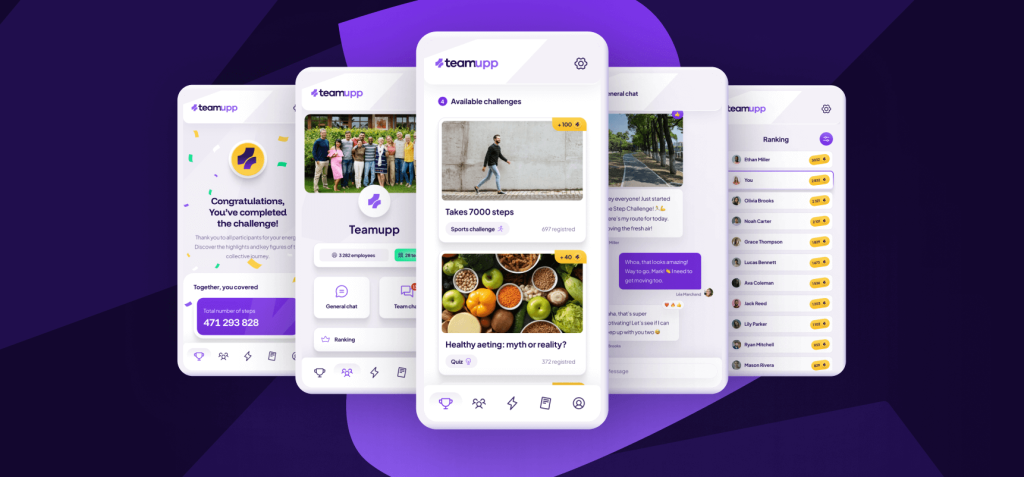
1. Launch a step challenge
Step challenges are a fun, low-barrier way to get people moving. With Teamupp, you can create personalized challenges tailored to your team’s goals, from walking 10,000 steps a day to climbing a collective Everest. The platform is inclusive, super easy to use, and keeps everyone engaged with leaderboards and real-time updates.
Average cost: $
Organization level: *
2. Desk-to-5K group training program
Organize a beginner-friendly running group with a structured 5K goal over 6-8 weeks. Offer weekly guided sessions (either live or virtual), and celebrate the final run with a small event or reward. It’s a great way to promote both fitness and camaraderie.
Average cost: $$
Organization level: ***
Develop peer support networks
3. Wellness buddies program
Pair up team members to check in on each other weekly. These peer wellness buddies can encourage hydration, physical activity, and even vent sessions. It’s a low-effort program and builds a genuine human connection.
Average cost: $
Organization level: *
4. Create employee resource groups (ERGs) for health topics
Let your employees form ERGs around wellness themes like healthy eating, new parent support, or mental well-being. Give them a budget and space (virtual or physical) to host events or share resources.
Average cost: $$
Organization level: **
Offer on-site health services
5. Host monthly on-site health clinics
Bring in health professionals once a month for services like blood pressure checks, posture analysis, or nutrition consultations.
Average cost: $$$
Organization level: ***
6. Offer on-site flu shots or health screenings
It is a simple but much-appreciated initiative, especially during flu season. Partner with local health providers to offer these services at the office.
Average cost: $$
Organization level: **

Offer health-focused events
7. Run a healthy cooking workshop
Bring in a nutritionist or chef to teach a fun, interactive session about preparing quick, healthy meals. Add a tasting session to sweeten the deal.
Average cost: $$
Organization level: **
8. Host a wellness fair
Invite various wellness vendors, such as fitness coaches, mental health counselors, and nutritionists, for a half-day expo. Include mini workshops, product samples, and Q&A zones.
Average cost: $$$
Organization level: ***
Provide healthy office snacks & support healthy eating choices
9. Replace sugary snacks with nutritious alternatives
Swap chips and sodas for fruits, protein bars, trail mix, and flavored sparkling water. Add signage explaining the benefits of healthier choices.
Average cost: $$
Organization level: **
10. Build a mini smoothie station
Set up a small blender bar with frozen fruits, greens, and plant-based milk. Let staff create their own smoothie combinations as a morning ritual.
Average cost: $$
Organization level: **
Provide flexible working hours
Not all your employees might like to work the typical 9-5. Here are some ideas that offer them the flexibility they need and deserve:
11. Implement core hours with flex time
Instead of rigid 9-5, allow employees to work anytime within a broader timeframe—say, 7 AM to 7 PM—with a core overlap for meetings.
Average cost: $
Organization level: **
12. Offer summer Fridays or half-day Fridays
Let people clock out early on Fridays during the summer months. It boosts morale and prevents burnout.
Average cost: $
Organization level: *

Create relaxation spaces
13. Designate a quiet zen zone
Set aside a small room with bean bags, dim lighting, and no tech—a calm space to meditate, relax, or just breathe.
Average cost: $$
Organization level: **
14. Add napping pods or recliners
For companies with bigger budgets, invest in napping pods or massage chairs to help employees recharge during the day.
Average cost: $$$
Organization level: **
Offer personalized health plans
15. Subsidize one-on-one health coaching
Give employees access to personalized sessions with a wellness coach or dietitian. It shows commitment to long-term health.
Average cost: $$$
Organization level: ***
16. Let employees choose their wellness perks
Offer a stipend that employees can use on the wellness option of their choice—yoga classes, gym memberships, therapy apps, etc.
Average cost: $$
Organization level: **
Establish clear communication channels
17. Create a wellness newsletter
Send out a bi-weekly email with tips, success stories, and upcoming wellness events. Keep it fun, visual, and employee-driven.
Average cost: $$
Organization level: **
18. Launch a Slack channel just for wellness
Encourage people to share recipes, workout wins, or wellness memes in a dedicated channel. It builds community organically.
Average cost: $
Organization level: *
Monitor and adapt wellness programs
19. Run quarterly wellness surveys
Use short pulse surveys to get feedback on what’s working and what’s not. Make it anonymous, and act on the insights.
Average cost: $
Organization level: *
20. Set wellness KPIs and track progress
If you’re serious about culture, track it! Monitor participation, satisfaction, and outcomes to fine-tune your wellness strategy.
Average cost: $
Organization level: **
The reality of health culture when working with remote employees
It isn’t easy to create a strong culture of health even when everyone’s in the same office. Now throw in Zoom fatigue, different time zones, and people working from their kitchen tables?
It gets a lot more complicated. Here are a few things you might have to deal with when creating a health culture for your remote employees:
Difficulty in keeping people engaged
In a physical office, it’s easy to notice when someone’s feeling off or to rally the team around a wellness event. But in a remote world, things can fall through the cracks. You might launch a great virtual challenge or wellness program, but if people are already juggling meetings and emails, it becomes just another link to ignore.
It’s harder to create that “we’re all in this together” feeling
One of the biggest hurdles? That sense of connection. When your team is scattered across cities or even countries, it’s harder to feel like a team. And without that feeling of belonging, wellness initiatives can start to feel like empty checkboxes instead of something meaningful.
Loneliness is real
Even the most introverted people need some human connection. Remote work can get lonely, and that isolation takes a toll. It impacts focus, mood, motivation, and let’s face it, wellness isn’t just about fitness apps, it’s about feeling supported.
Team bonding doesn’t just happen on its own
When everyone’s remote, it’s easy for communication to get transactional. All you talk about is project updates, deadlines, and task lists. But for a culture of health to really take root, you need something more.
You need trust, laughter, and those little human moments that glue a team together. And that takes intention.
Solutions for creating a health culture from a distance
The good news is that just because your team is remote doesn’t mean you can’t create a culture where people feel cared for. You just have to think a little differently and lean into the tools and habits that actually work for people who aren’t sharing a physical space.
Use digital wellness platforms
Platforms like Teamupp make remote wellness simple and surprisingly fun. You can run step challenges, sleep goals, hydration check-ins, whatever fits your vibe. It’s designed to include everyone, even the not-so-sporty folks. Plus, it adds a bit of friendly competition to the mix, which always helps!
Host real-talk wellness webinars
Not every wellness event has to be high-energy. Sometimes, your team just needs a space to breathe, learn, and feel understood. Invite experts to lead sessions on topics like managing stress, avoiding burnout, or improving sleep. It’s a powerful way to say, “We see you. We’ve got you.”
Check in regularly—really check in
Weekly one-on-ones or casual check-ins aren’t just good management, they’re essential. Ask your team how they’re really doing. Don’t just ask about tasks and to-dos, but about them. Those little conversations can go a long way in making people feel supported and seen.
Mix in hybrid wellness events
If your team is partly remote and partly in-office, plan events that include both. A virtual yoga class that streams to remote folks, with an optional in-person version for locals. Or a hybrid wellness challenge where everyone participates, no matter where they work. It’s about being inclusive and thoughtful.
Culture of health: 3 successful wellness plan examples
Want to see what some of the strongest culture of health examples look like in action? Here are three companies that are setting the bar high:
1. Google
Google’s wellness culture is legendary. And not just because of the on-campus fitness centers and healthy cafeterias. They offer mental health resources, free therapy sessions, on-site wellness coaches, and even mindfulness courses. Their focus on work-life balance, flexibility, and psychological safety makes health part of daily work, not just a perk.
2. Lululemon
It’s no surprise the athletic-wear giant puts well-being first. Lululemon gives employees access to mental and physical health benefits, paid wellness days, and a $25/month “Sweatlife” allowance for fitness activities. They also hold internal wellness events and foster a community-first mindset.
3. Salesforce
Salesforce supports its team with generous wellness reimbursements, mental health days, and guided meditation sessions. Their “Wellbeing Reimbursement” offers $100/month toward health-related expenses—gym memberships, therapy apps, or even creative hobbies.
Each of these companies demonstrates that wellness isn’t just a policy, but it’s a culture.
Creating a culture of health doesn’t have to be complicated or costly. It just needs to be intentional.